In today's digital learning environment, ensuring the fairness and integrity of online assessments remains a significant challenge. AI-powered proctoring is one approach organisations are exploring to monitor exam sessions at scale. This guide explains what it is, how it works, and what to consider when evaluating it.
Understanding AI-powered proctoring
What is AI-powered proctoring?
AI-powered proctoring uses artificial intelligence to monitor and analyse exam sessions, often in real time. The technology is designed to automate the detection of suspicious behaviours, reduce reliance on human proctors, and support more consistent review at scale.
Key features of AI-powered proctoring solutions
Advanced detection of suspicious behaviours
AI algorithms can analyse video, audio, and screen activity to identify potential cheating behaviours. This may include unusual movements, multiple faces in frame, or signs of unauthorised device use.
Biometric authentication
Biometric technologies, such as facial recognition, can verify the identity of the exam taker, helping reduce impersonation and confirm the correct individual is taking the exam.
Real-time monitoring and automated alerts
AI-powered systems can monitor sessions continuously and generate automated alerts when behaviour appears suspicious. Depending on the setup, this may allow faster intervention during the exam or more efficient review afterwards.
Integration with online exam platforms
Proctoring generally works best when it is closely integrated with the platform used to deliver the exam. A single workflow for setup, monitoring, and review tends to be easier for administrators and candidates than juggling separate tools.
The benefits of AI-powered proctoring
Enhanced security and integrity
AI-powered proctoring can support exam security by providing continuous monitoring and automated detection of activities that may need review.
Reduced need for human proctors
Automating parts of the monitoring process can reduce the number of human proctors required, which may lower costs and simplify logistics for large or remote cohorts.
Increased scalability and efficiency
AI-powered solutions can often scale to accommodate large numbers of exam takers at the same time, which is useful for institutions running high-volume remote assessments.
Improved user experience
When implemented thoughtfully, remote proctoring can give candidates more flexibility over when and where they sit an exam, while still maintaining defined security standards.
How AI-powered proctoring works
Step-by-step process
- Exam setup: The exam is configured on the online platform with proctoring enabled.
- Authentication: Exam takers verify their identity, often using biometric or ID-based checks.
- Real-time monitoring: AI algorithms monitor the session, analysing video, audio, and screen activity.
- Automated alerts: Suspicious behaviour may trigger alerts for review or intervention.
- Post-exam review: Reports and recordings are typically available for administrators to assess afterwards.
Technologies involved
AI-powered proctoring typically relies on machine learning and computer vision to analyse webcam, audio, and screen activity, then flag behaviour that may need a closer look.
Frequently asked questions
How does AI-powered proctoring improve exam security?
It can improve exam security by monitoring sessions for suspicious activity using algorithms trained to detect patterns such as unauthorised device use, additional people in the room, or unusual movement. Flagged incidents can then be reviewed by administrators or trained proctors.
What are the benefits of using AI-powered proctoring for online exams?
Common benefits include stronger monitoring at scale, reduced dependence on in-person invigilation, greater flexibility for remote candidates, and faster identification of incidents that need review.
What should institutions consider before adopting AI proctoring?
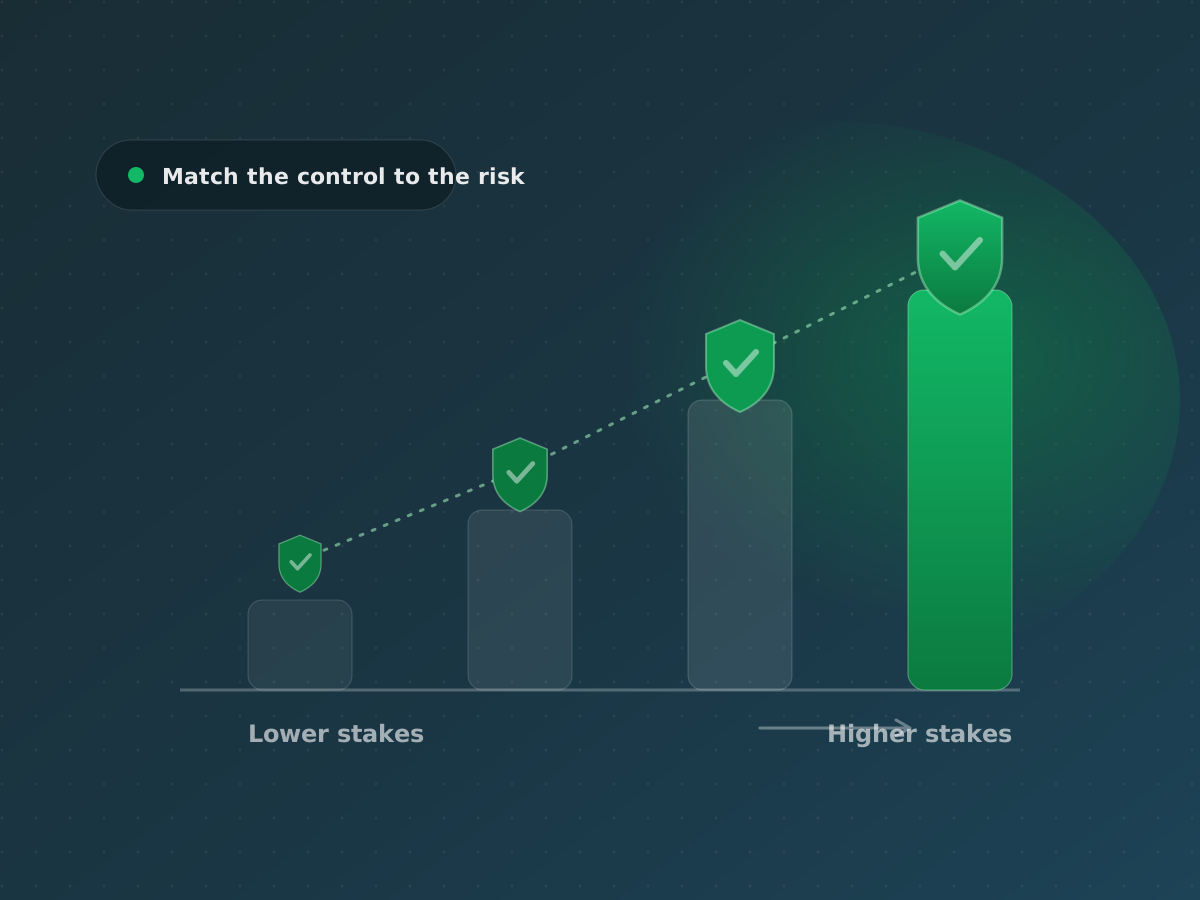
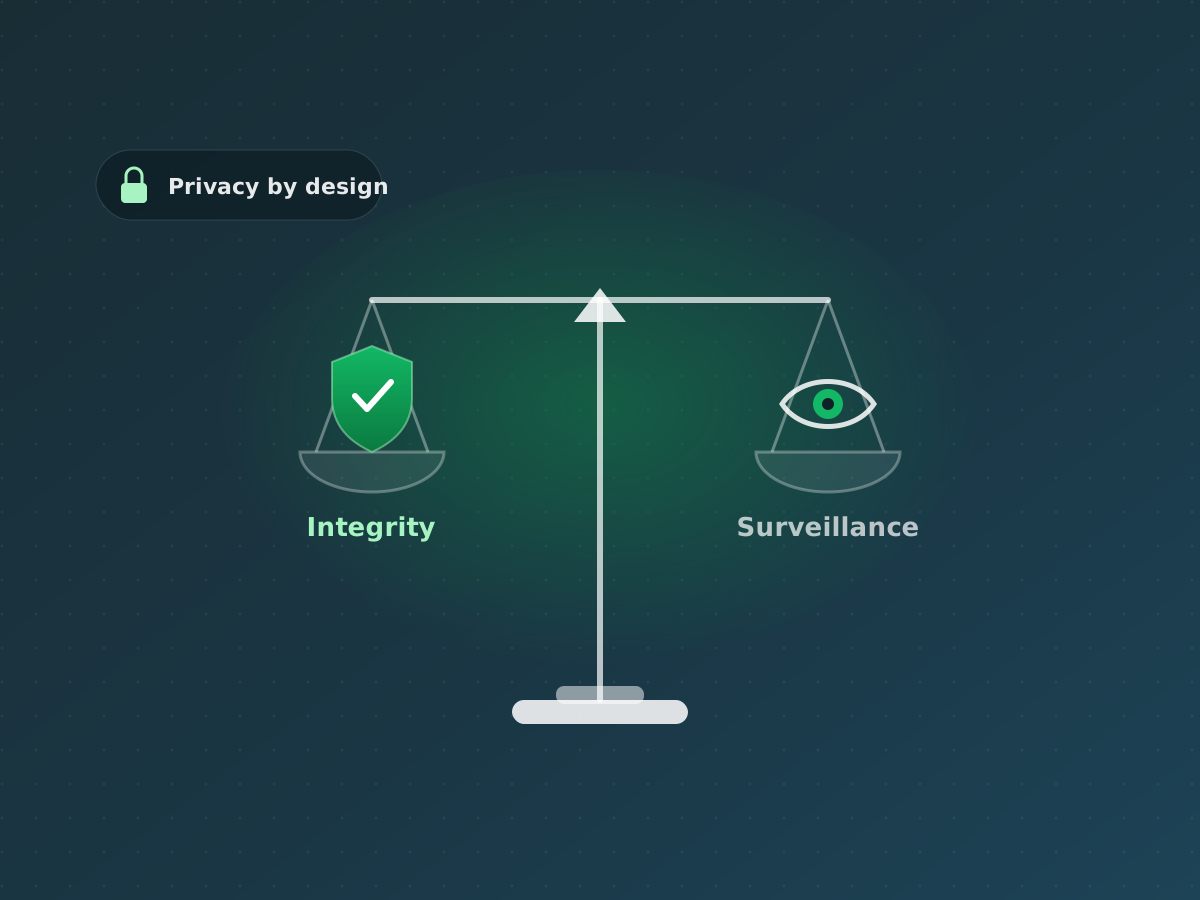
Institutions should weigh privacy and data protection requirements, candidate experience, false positive rates, accessibility needs, internet bandwidth, and whether human review will form part of the process. It is also worth asking how footage is stored, who can access it, and how long it is retained.
Further reading
For a broader overview of proctoring approaches, see our guide to understanding exam proctoring. You may also find our article on anti-cheat methods for online exams useful when comparing security options.